tacfis_beruf-und-bildung
TACFIS NEWSBLOG

tacfis gmbh

Why is Combat Medic training important?

In conflict areas, medical resources are often scarce and the infrastructure is severely impaired. Hospitals and medical facilities may be destroyed or overloaded, and medical staff and life-saving equipment may be lacking. Ongoing violence and insecurity in such areas make access to qualified medical care even more difficult. As a result, people in conflict zones are often dependent on local medical helpers to provide first aid and urgently needed medical care in emergencies. Combat medics play a crucial role in this context, as they are specially trained to provide medical assistance under extreme conditions.


Contents of the Combat Medic training

Combat Medic Training covers a wide range of content to comprehensively prepare participants for their tasks. This includes first aid measures, emergency medicine, evacuation techniques and tactical wound care in combat (care under fire). Participants learn how to assess injuries, take life-saving measures and protect themselves and others in dangerous situations. Practical exercises, simulations and realistic scenarios help to prepare participants for real operational situations.


Stop the bleeding: immediate action in the event of heavy bleeding

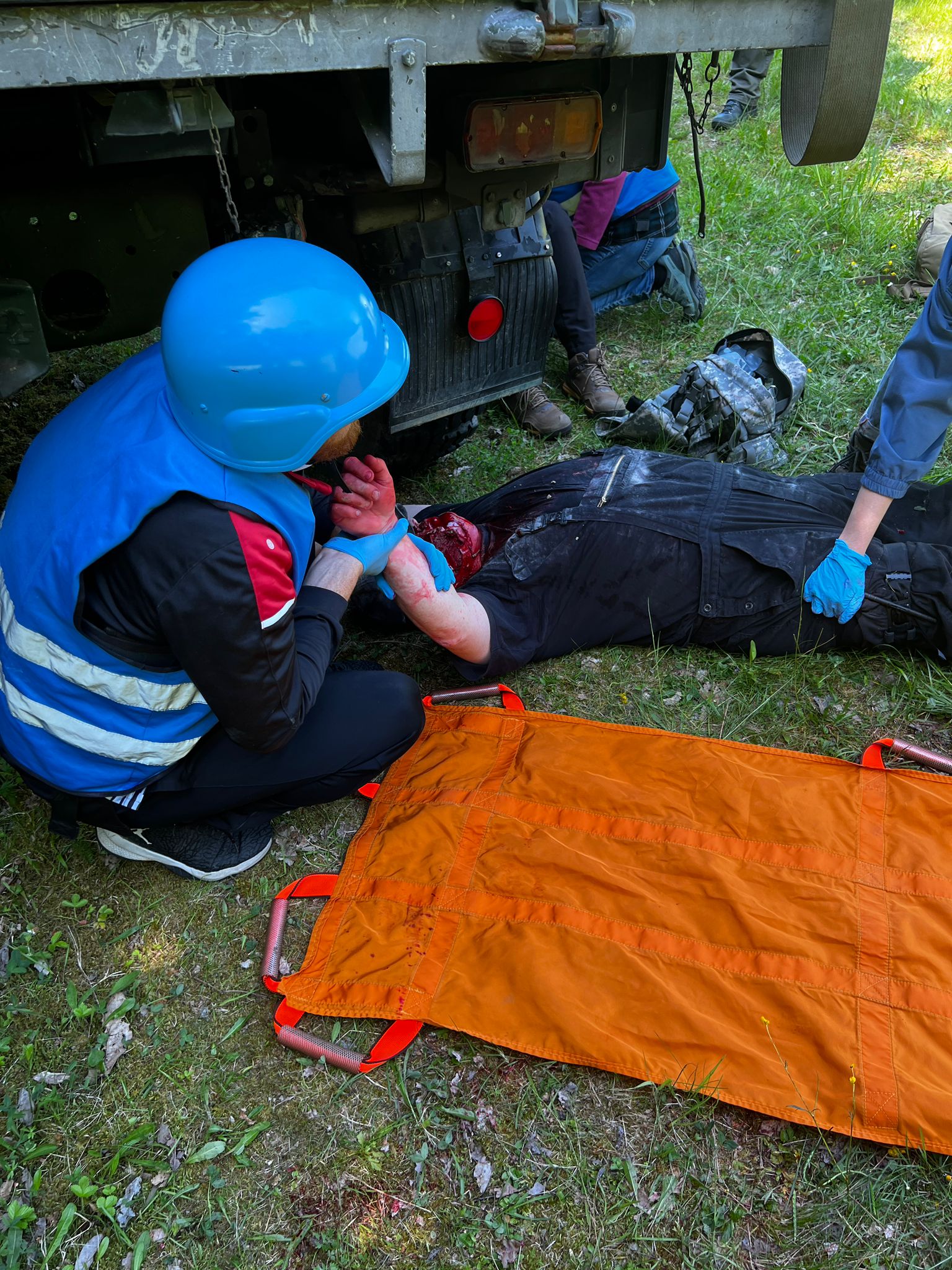
One of the most important skills taught in Combat Medic training is the effective mastery of measures to stop bleeding. This is crucial, as severe bleeding can be life-threatening. In our training, you will learn how to act quickly and purposefully to stop bleeding and save the lives of yourself and others in an emergency. Various techniques and procedures for stopping bleeding are taught as part of the training. These include the application of pressure dressings, the use of tourniquets and the targeted identification of vital blood vessels. They learn to localize the source of bleeding and take the appropriate measures to effectively control the bleeding. Through practical exercises and simulations, participants have the opportunity to practice their skills in dealing with severe bleeding. They are confronted with realistic scenarios in which they have to act under time pressure to save the lives of the injured. This intensive training enables participants to remain calm even in stressful situations and to act quickly and effectively.


CONCLUSION

Combat Medic Training is of vital importance for medical professionals as well as for all persons who are in fragile areas. Our training provides you with the skills, knowledge and confidence to operate effectively in extreme conditions. By working closely with experienced professionals, participants gain valuable insights and benefit from their experience.


LINK

tacfis gmbh

Security training for crisis and war zones

In this article, you will learn more about Hostile Environment Awareness Training (HEAT), a training course for people who are traveling in dangerous or hostile areas either privately or professionally. Find out why our HEAT training is so important for safety in crisis and war zones and which content and aspects can save freedom, health and lives in dangerous situations.


What is Hostile Environment Awareness Training (HEAT)?

TACFIS GmbH’s HEAT training is designed according to UN specifications and has been specially developed to provide people in hazardous environments with the necessary skills and awareness for their safety. The training focuses on recognizing risks, avoiding hazards and developing survival skills.


Why is HEAT training recommended?

HEAT training is crucial in helping people in dangerous regions to deal with the challenges they face. It provides the opportunity to develop practical skills and increased risk awareness to respond appropriately to a wide range of situations.


Contents of the HEAT training

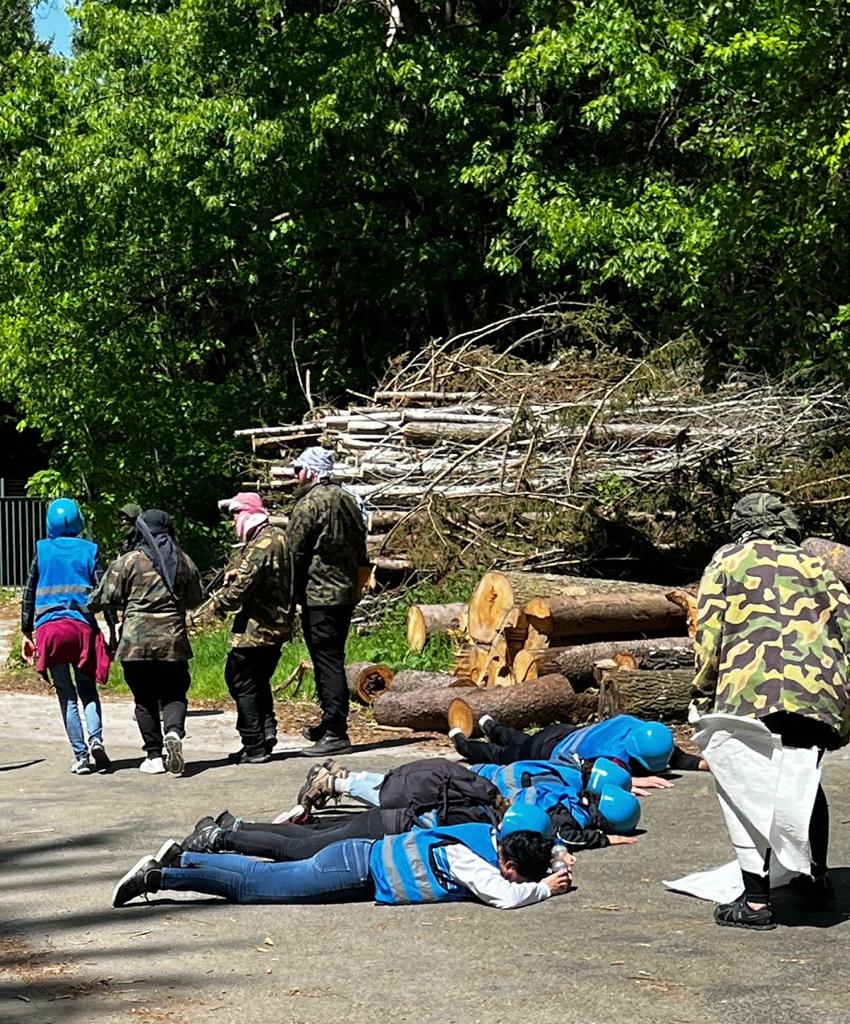
Our HEAT training includes practical exercises, role plays and simulations as well as the re-enactment of real scenarios. At TACFIS GmbH, theoretical learning units such as travel preparation, mission planning, route planning and mine awareness are complemented by practical exercises, role-playing games and workshop units. Realistic scenarios such as checkpoints, kidnapping and hostage situations are designed to help make theoretical knowledge such as stress and stress management tangible and to experience and become aware of one’s own limits in a safe training environment. Exchange of experiences between the participants and with our instructors support reflection and sensitization processes for dangers, self-awareness as well as risk assessments, reactions and behaviours.


Digital security in Hostile Environment Awareness Training (HEAT)

Digital security is also becoming increasingly important as part of Hostile Environment Awareness Training (HEAT). As a company, we have therefore addressed this aspect and integrated relevant information that has an impact on security into the training. The aim is to raise awareness of digital threats, which can make a decisive difference in a dangerous situation such as hostage-taking or kidnapping. This includes the protection of privacy, the encryption of communications and the use of cybersecurity tools. The integration of digital security in HEAT training helps participants to protect their digital identity and the sources of their information in dangerous environments.


CONCLUSION

Hostile Environment Awareness Training (HEAT) is essential safety training for people working in hazardous areas. It provides them with the necessary awareness of risks and practical skills for safety and survival. Through cooperation with renowned organizations, TACFIS GmbH participants gain access to specialist knowledge and benefit from many years of experience. HEAT training empowers people in dangerous areas so that they can act more safely to fulfill their tasks.


LINK